- Stok Durumu: Stok Var
- Marka: Texas Instruments
- SKU: RBZ.200.062
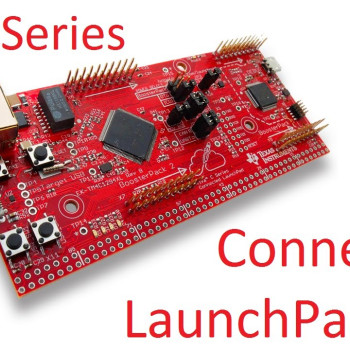
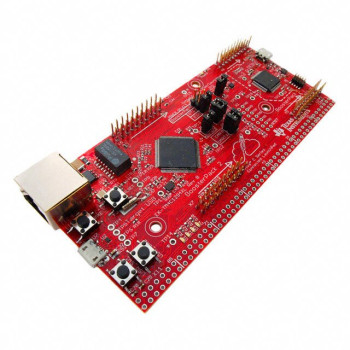
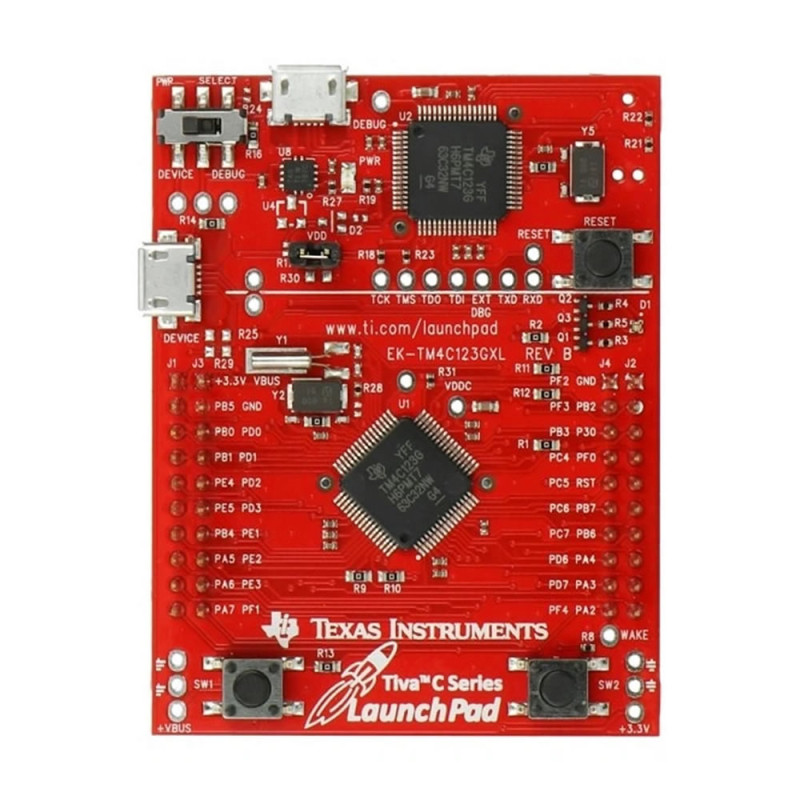
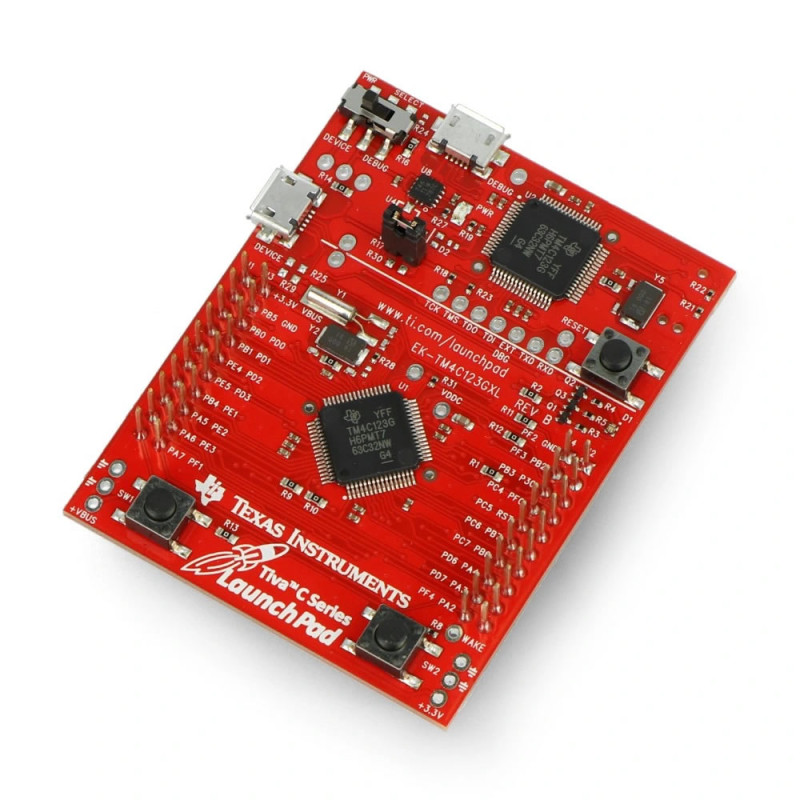
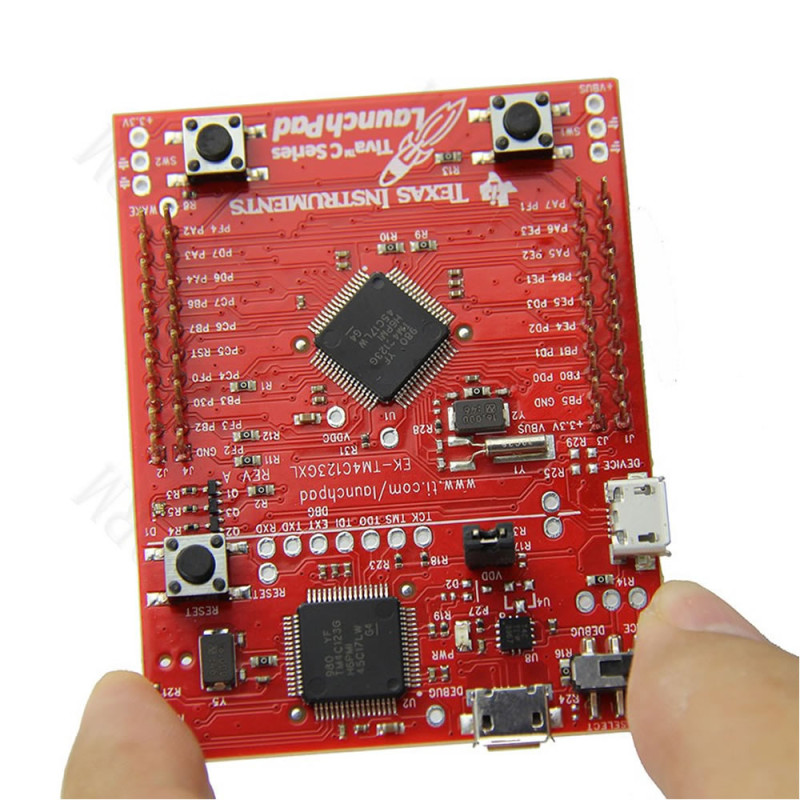
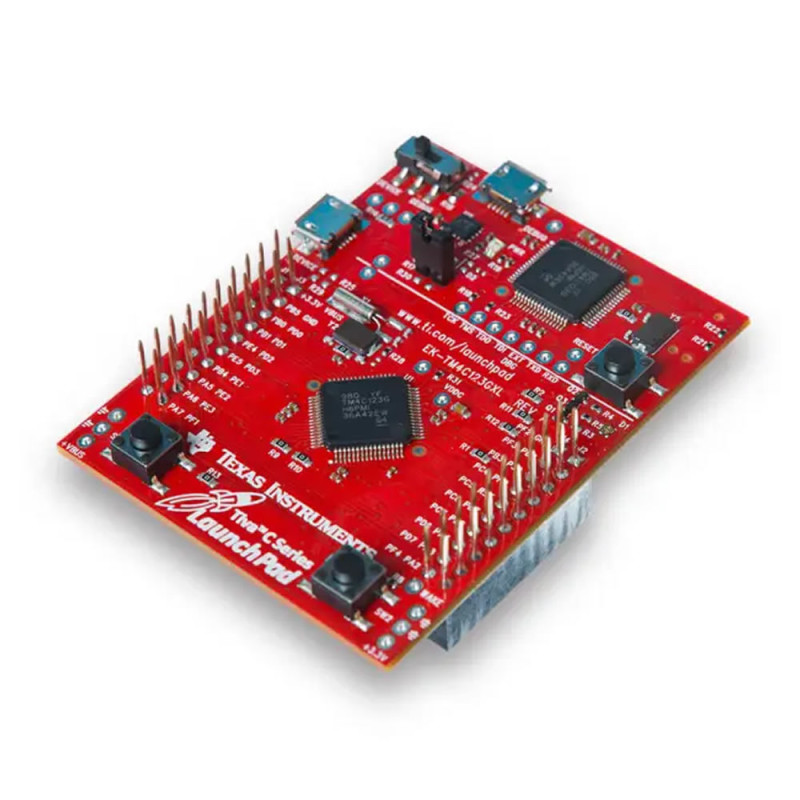
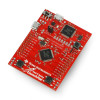
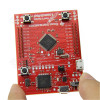
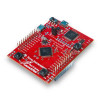
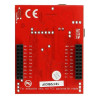
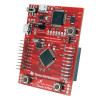
EK-TM4C123GXL Launchpad
Texas Instruments Tiva C ARM Cortex M4F TM4C123GH6PM MCU 80MHz Development Board ICDI Stellaris Energia
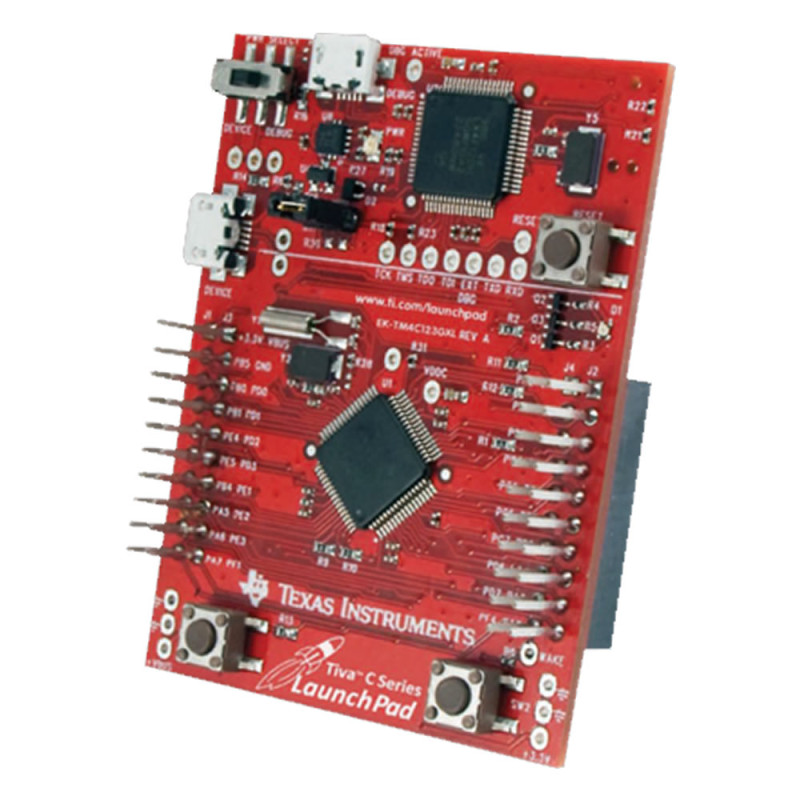
The EK-TM4C123GXL is the Texas Instruments Tiva C Series TM4C123G LaunchPad evaluation kit; it offers a low-cost platform to get started with ARM Cortex-M4F based microcontrollers and to develop projects. The on-board TM4C123GH6PM microcontroller has a 32-bit processor with a floating point unit (FPU) running at 80MHz, 256KB Flash, 32KB SRAM and 2KB EEPROM memory.
The TM4C123GH6PM includes many communication peripherals such as USB 2.0 Host/Device/OTG, 2 CAN controllers, 8 UART, 4 I2C and 4 SSI/SPI, two 12-bit ADC modules with 12 channels, 16 PWM outputs and a hibernation (sleep) module with real-time clock. Thanks to the on-board ICDI (in-circuit debug interface), programs are loaded and debugged step by step with a single micro USB cable, without the need for a separate programmer.
The board has two programmable user buttons, a RESET button and an RGB LED. Stackable 40-pin headers allow BoosterPack plug-in boards to be fitted directly. TI's TivaWare software package provides drivers for all peripherals and dozens of example applications; the board can be programmed with Code Composer Studio and the Arduino-like Energia environment. The board is an original Texas Instruments product.
Features:
- Product type: Texas Instruments Tiva C Series LaunchPad evaluation board (original TI)
- Model: EK-TM4C123GXL
- Microcontroller: TM4C123GH6PM, 64-pin LQFP package
- Processor: 32-bit ARM Cortex-M4F (floating point unit FPU), 80MHz
- Memory: 256KB Flash, 32KB SRAM, 2KB EEPROM
- Debugger: On-board Stellaris ICDI (in-circuit debug interface); no separate programmer needed, UART0 is passed to the PC as a virtual COM port
- USB: USB 2.0 Host/Device/OTG (Full-Speed), separate DEVICE micro USB socket connected to the microcontroller
- Serial communication: 8 UART, 4 I2C, 4 SSI/SPI
- CAN: 2 CAN 2.0 A/B controllers, up to 1Mbps (requires CAN transceiver)
- ADC: 2 x 12-bit ADC modules, 12 analog input channels, up to 1MSPS per module
- PWM: 16 PWM outputs (motion control PWM modules)
- Timers: 6 x 16/32-bit and 6 x 32/64-bit general purpose timer blocks, 2 watchdogs
- Hibernation: Low power (sleep) module with real-time clock, WAKE pin
- Crystals: 16MHz main crystal, 32.768kHz hibernation crystal
- Buttons: SW1 (PF4) and SW2 (PF0) user buttons (SW2 is also connected to the hibernation WAKE pin), RESET button
- LED: RGB LED (red PF1, blue PF2, green PF3) and power LED
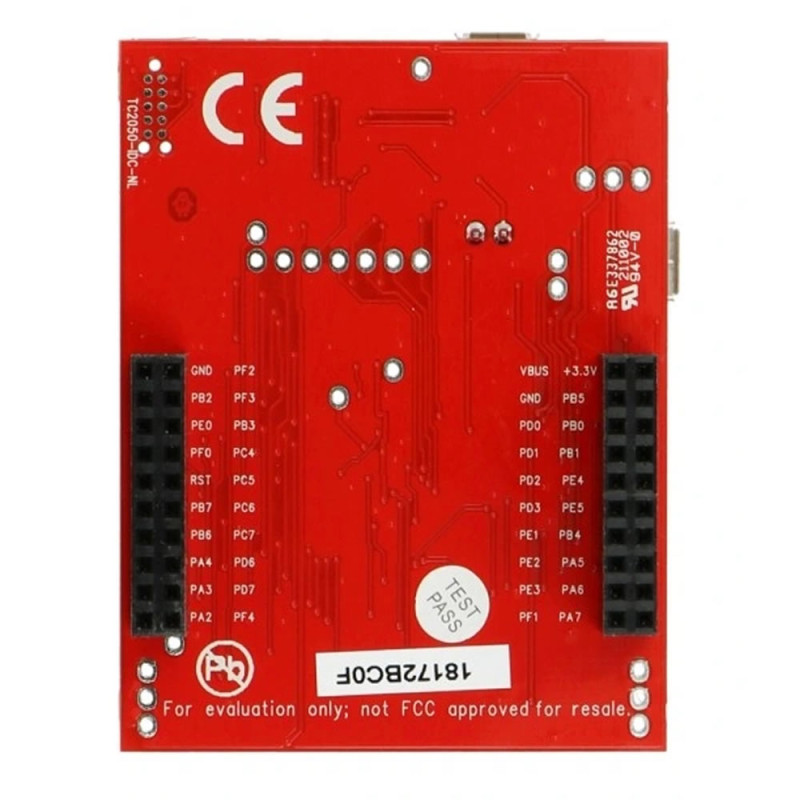
- Expansion: 40-pin BoosterPack XL compatible, stackable double row headers (J1 - J4)
- Power: Via micro USB; DEBUG / DEVICE power select switch
- Software support: TivaWare SDK, Code Composer Studio, Energia, Zephyr (OpenOCD)
- Color: Red PCB
- Dimensions: 50.8mm x 57.15mm x 10.8mm (2.0 x 2.25 x 0.425 in, TI user guide)
Usage information:
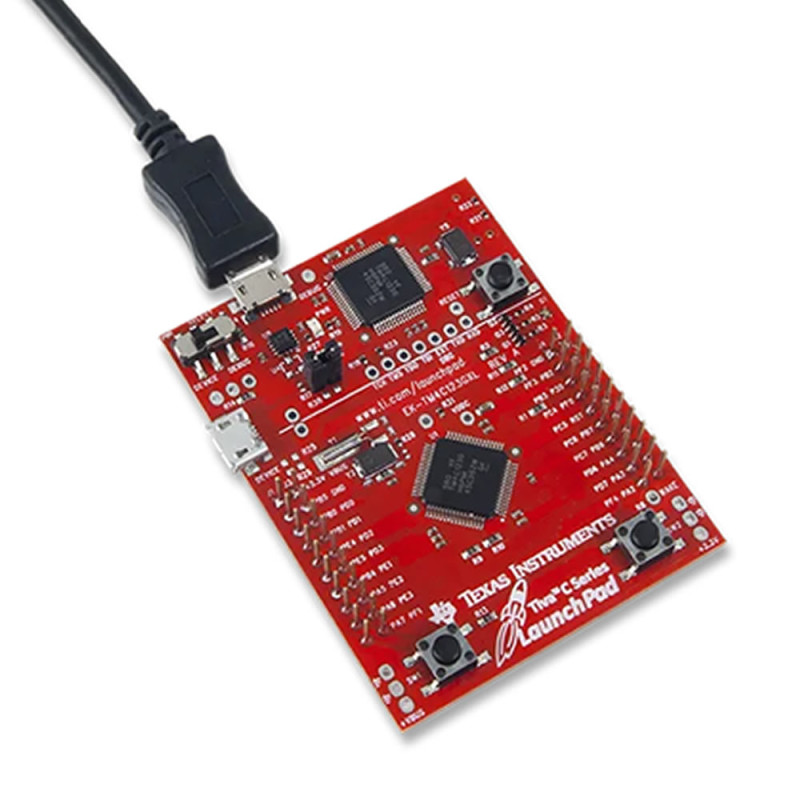
- Setup and first program upload: Install the Energia IDE. Connect the board to the PC through the DEBUG micro USB socket on the top side and set the power select switch to DEBUG.
- Install the Stellaris ICDI drivers: https://www.ti.com/tool/STELLARIS_ICDI_DRIVERS ; then select the COM port.
- As a first test upload the example Blink program; the on-board RGB LED blinks and shows that the board works. For the RGB LED example: circuitdigest.com/microcontroller-projects/getting-started-with-tiva-c-series-tm4c123g-launchpad-from-texas-instruments (the last example at the bottom of the page).
- For professional development you can use TI's free Code Composer Studio environment and the TivaWare SDK; the examples in TivaWare are ready for the board.
Application areas:
- Motor control: DC, stepper and BLDC motor drive projects with PWM
- Robot projects and robotics competitions
- Drone and flight controller experiments (fast calculation with FPU)
- Automation: industrial control and CAN bus applications
- IoT and sensor network prototypes (with BoosterPack plug-ins)
- Education: university embedded systems and ARM Cortex-M courses
- USB device and USB host applications (HID, CDC, mass storage)
- Data acquisition and measurement systems with ADC
- Low power, battery operated devices with sleep modes
Precautions:
- Program upload and debugging are done only through the DEBUG micro USB socket on the top side; the DEVICE socket on the side is for the microcontroller's own USB. Set the power select switch according to the socket you use.
- The board is not recognized as a debugger by the PC until the Stellaris ICDI driver is installed.
- The CAN controllers cannot be connected directly to a CAN bus; an external CAN transceiver module is required.
- The board works with 3.3V logic level. Check the voltage levels before connecting external circuits and keep the board away from conductive surfaces.
Package contents:
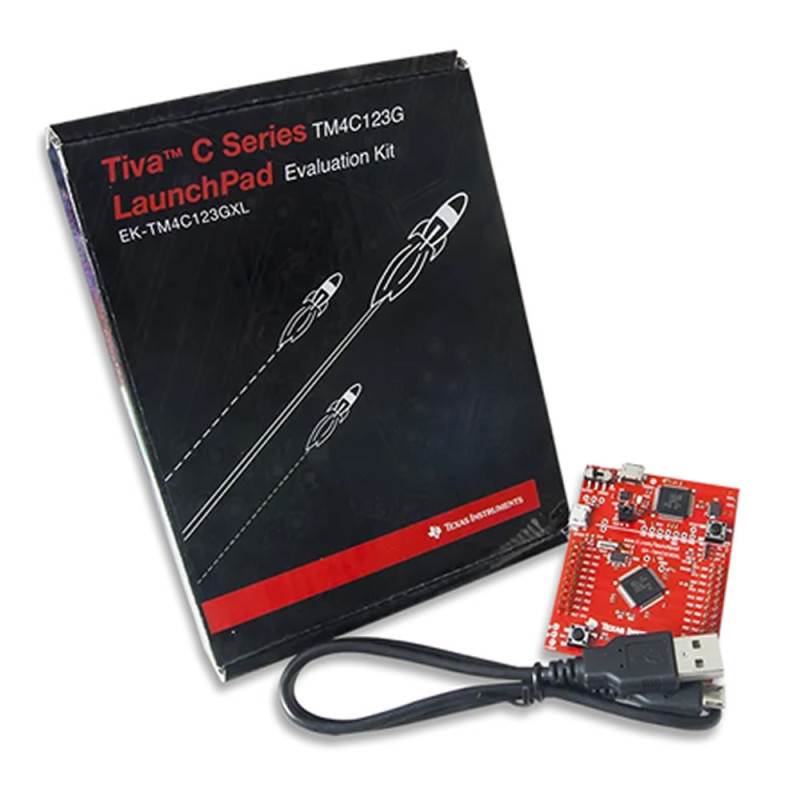
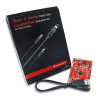
- 1 Piece TI EK-TM4C123GXL LaunchPad
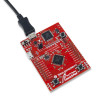
- 1 Piece USB cable (USB-A - Micro USB)