- Stok Durumu: Stok Var
- Marka: OEM
- SKU: RBZ.100.371
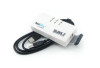
ULINK 2 (Clone) Arm Jtag Programmer and Debugger
Emulator Cortex-M0 Cortex-M3 Cortex-M4 ARM7 ARM9 STM32 LPC 8051 C166 Flash Programming Embedded Software Development Laboratory Production Repair
Note: This product is a Chinese made clone of the ULINK2; it is not an original Keil / ARM device. It comes in a sealed bag.
The ULINK2 clone is a programmer and debugger that connects the USB port of the computer to the JTAG or SWD debug connection on the target board. It works together with the Keil µVision development environment: it loads programs into ARM7, ARM9 and Cortex-M based microcontrollers (flash programming), runs the program step by step, sets breakpoints and reads and writes memory and variables while running. It also supports some 8051 (XC800, µPSD, LPC950) and C166 / XE166 / XC2000 family chips.
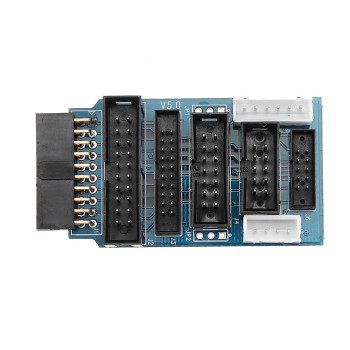
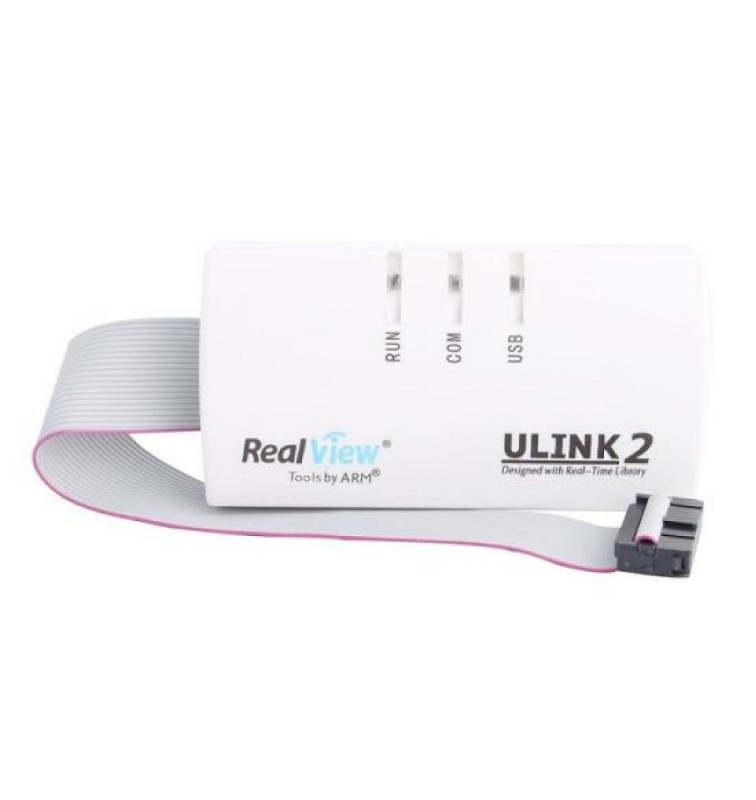
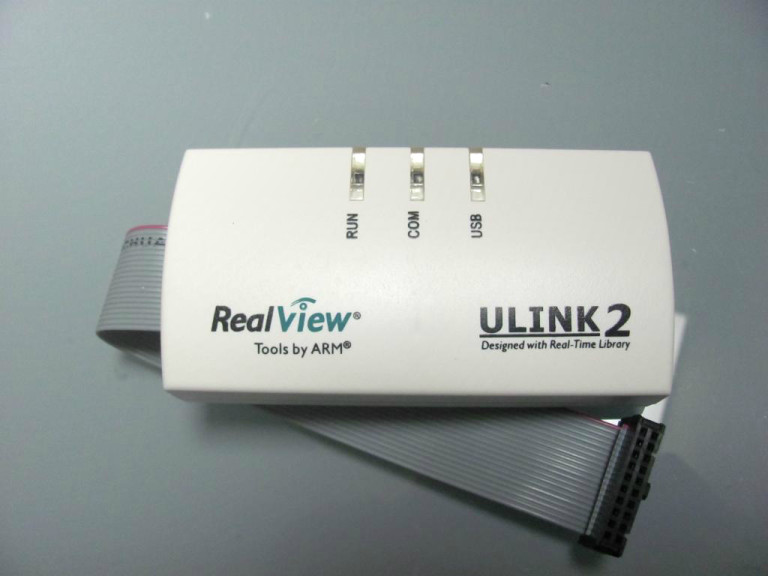
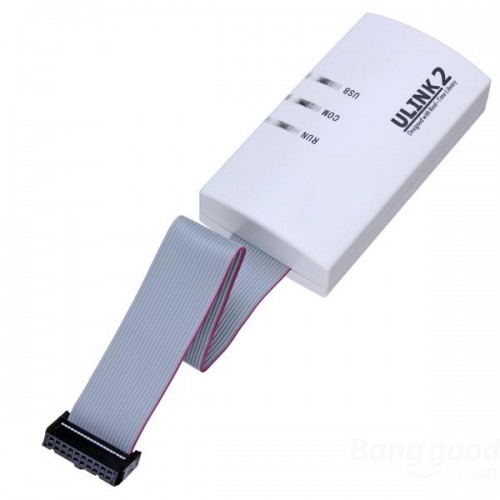
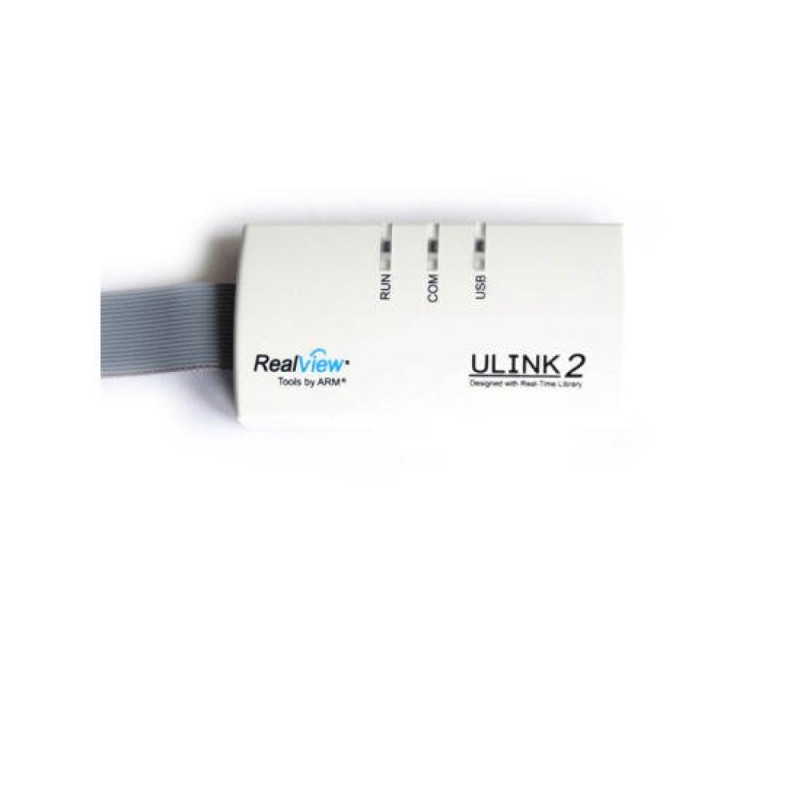
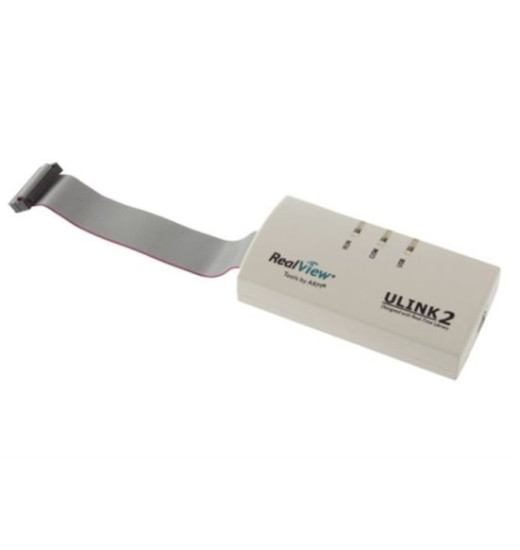
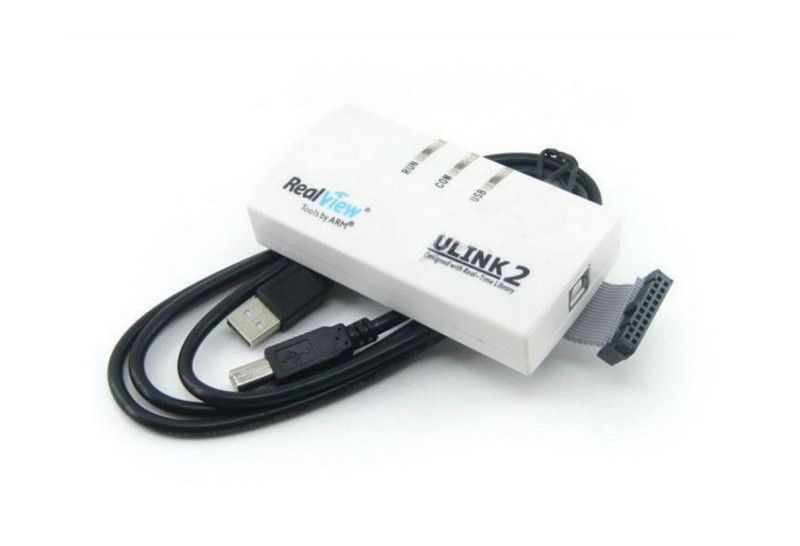
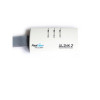
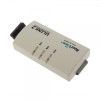
The JTAG speed is up to 10MHz and RTCK (return clock) is supported. On Cortex-M chips the 2 wire SWD connection and SWV (Serial Wire Viewer, UART mode) data trace up to 1Mbit/s are used. The target voltage range is 2.7V - 5.5V. The device is powered from USB; no separate adapter is needed. The white plastic case has RUN, COM and USB status LEDs on top, a USB-B input at one end and a 20 pin (2.54mm) ARM standard JTAG output at the other end.
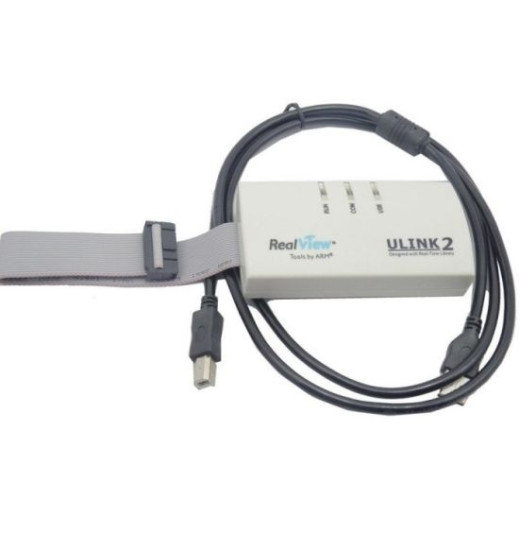
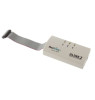
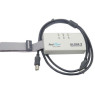
A 20 pin JTAG ribbon cable and a USB cable are included in the package; it is used out of the box by selecting "ULINK2/ME Cortex Debugger" in µVision. It is recognised with the standard Windows USB HID driver, no separate driver installation is needed.
Key features:
JTAG and SWD: Programming and debugging is done with JTAG (up to 10MHz) on ARM7 / ARM9 chips and with SWD, which uses only 2 lines, on Cortex-M chips.
Works directly with Keil µVision: It appears as ULINK2 in the µVision debugger list; flash programming, single stepping, breakpoints and memory windows are used from the same environment.
Monitoring while running: Data trace up to 1Mbit/s with SWV on Cortex-M chips; on ARM7 / ARM9 chips, with the Real-Time Agent memory read / write, terminal and serial debug output are available without stopping the program.
Wide target voltage: It is used with target boards running between 2.7V and 5.5V; no extra level shifter is needed on 3.3V and 5V boards.
Powered from USB: It works with a single USB cable and needs no external power supply; it is recognised driverless (HID) on Windows.
Features:
- Product type: ARM JTAG / SWD programmer and debugger (ULINK2 clone)
- Model: ULINK2 Programmer
- Debug interfaces: JTAG, SWD (Cortex-M), OCDS (8051 and C166 families)
- JTAG speed: up to 10MHz, RTCK (return clock) support
- SWV data trace: up to 1Mbit/s on Cortex-M chips (UART mode)
- Target voltage range: 2.7V - 5.5V
- Supported cores: ARM7, ARM9, Cortex-M0, Cortex-M1, Cortex-M3, Cortex-M4
- Other supported families: XC800 (8051), µPSD (8051), LPC950 (8051), XC166 / XE166 / XC2000
- Memory read / write speed: 28K bytes/s (Keil ULINK2 value)
- Flash write speed: 25K bytes/s (Keil ULINK2 value)
- Breakpoints: unlimited in RAM; hardware (ROM) breakpoints up to 2 on ARM7/9, up to 6 on Cortex-M3
- Access breakpoints: up to 2 on ARM7/9, up to 4 on Cortex-M3 (with value compare)
- Real-Time Agent (ARM7 / ARM9): memory read / write while running, terminal and serial debug output
- Software: Keil µVision (MDK 3.04 and later, C51 8.15 and later, C166 6.06 and later)
- Driver: standard Windows USB HID driver, plug and play
- Power: powered from USB, no external power supply needed
- Indicators: RUN, COM and USB status LEDs
- Connections: USB-B input, 20 pin (2x10, 2.54mm) ARM standard JTAG output
- Material and colour: white plastic case, grey 20 wire ribbon cable
- Weight: approximately 40gr
Usage information:
- Connect the device to the computer with the USB cable; Windows recognises it as a HID device and the USB LED lights up. You do not need to install a separate driver.
- Plug the 20 pin ribbon cable into the 20 pin JTAG header on the target board; the red striped wire of the cable is pin 1. Power the target board from its own supply; the ULINK2 senses the target voltage and does not supply power to the board.
- In µVision select "ULINK2/ME Cortex Debugger" on the Options for Target - Debug tab; set the connection to SW (SWD) or JTAG in the Settings window. On the Utilities tab select the same device as the flash programmer and add the flash algorithm for your chip.
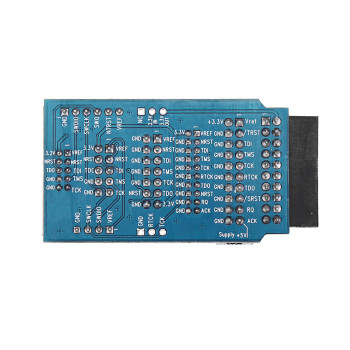
- For SWD the target needs only the SWDIO, SWCLK, GND and target voltage (VTref) lines; these are the TMS, TCK, GND and VTref pins of the 20 pin JTAG header.
Areas of use:
- Loading programs into STM32, LPC and other Cortex-M chips
- Step by step debugging in embedded software development
- Maintenance and programming of older ARM7 / ARM9 based boards
- Working with Infineon XC800 / XC166 and other 8051 / C166 family chips
- Flash programming in mass production
- University and vocational school laboratory lessons
- Embedded systems education and learning Keil µVision
- Device repair and firmware renewal
- Monitoring variables and events with SWV on a running system
Precautions:
- This product is a clone; it is not covered by Keil / ARM warranty and technical support. The RealView and ULINK2 markings on the case are prints of the original design.
- The target voltage range is 2.7V - 5.5V; it is not used with target boards running at 1.8V.
- There is no instruction trace (ETM trace, trace history) support; only SWV data trace is available.
- The output is a 20 pin 2.54mm JTAG header. Boards with a 10 pin 1.27mm Cortex Debug header need an adapter.
- A Keil MDK licence is not supplied with the product; the free MDK-Lite edition has a code size limit.
- Do not plug the ribbon cable in reversed; match the red striped wire with the pin 1 mark on the target header.
Package contents:
- 1 Piece ULINK2 Programmer (Clone)
- 1 Piece 20 Pin JTAG Ribbon Cable
- 1 Piece USB Cable (USB-A - USB-B)
- Note: The Keil MDK licence, the 10 pin Cortex Debug adapter and the target board are not included in the package.