

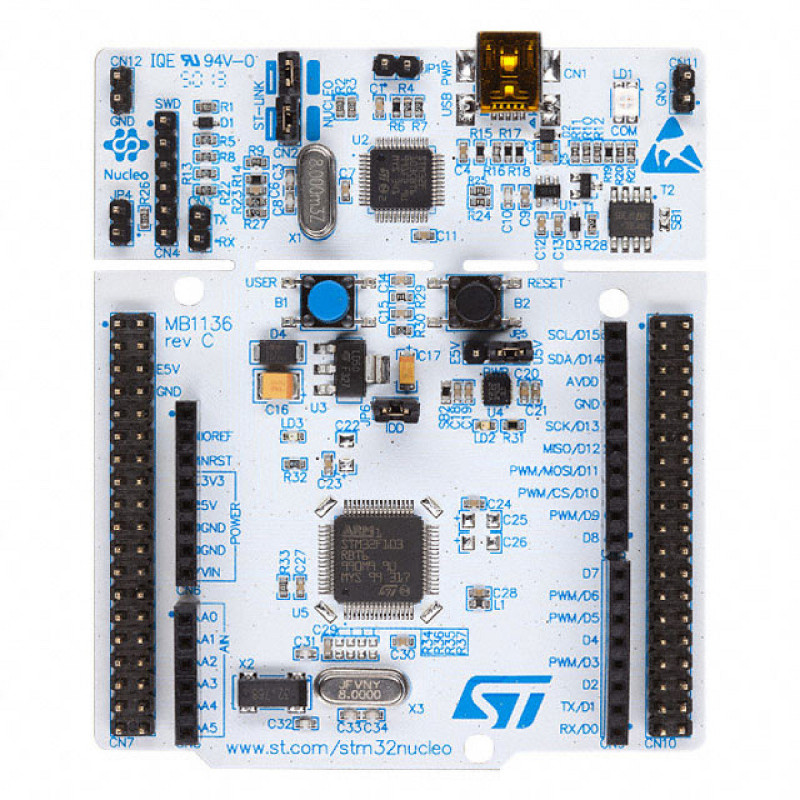
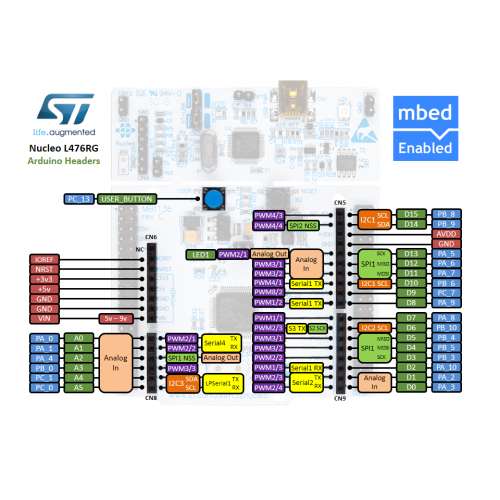
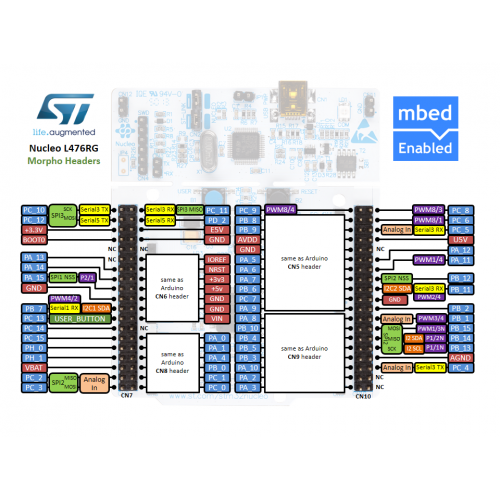
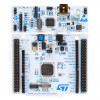
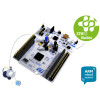
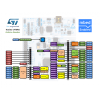
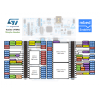
NUCLEO-L476RG
1,692.90TL
1,410.75TL + KDV
- Stok Durumu: Stok Var
- Marka: STMicroelectronics
- SKU: RBZ.200.102
Marka: STMicroelectronics
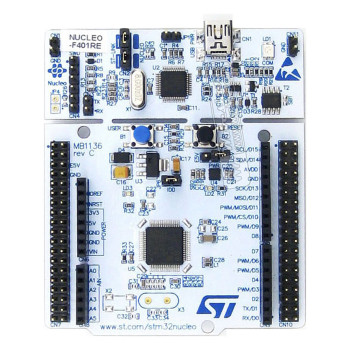
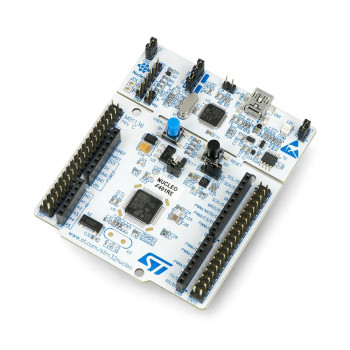
ST NUCLEO-F401RE Nucleo Kit
STM32G474RE Arm Cortex M4 84 MHz Mcu STM32 Development Board ST-LINK V2 Arduino 512Kb Flash
..
2,019.60TL
Ex Tax:1,683.00TL
Marka: STMicroelectronics
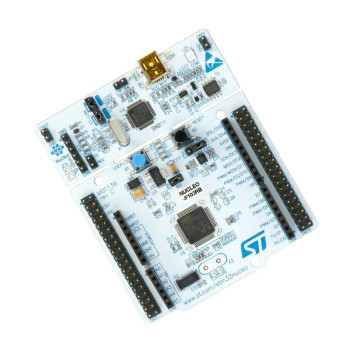
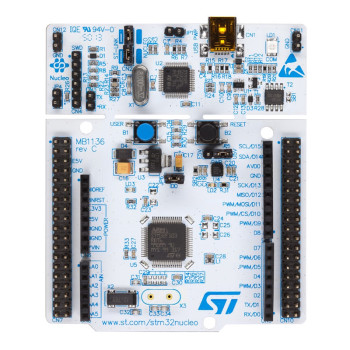
ST NUCLEO-F103RB Nucleo Kit
STM32F103RBT6 Arm Cortex-M3 72MHz Mcu Stm32 Development Board ST-LINK V2 Arduino 128Kb Flash Motor Control U..
1,603.80TL
Ex Tax:1,336.50TL
Marka: STMicroelectronics
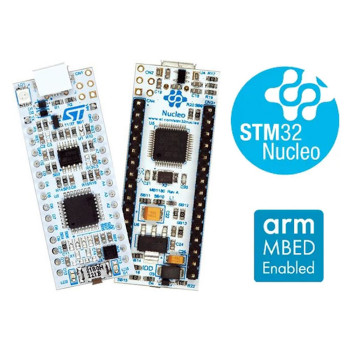
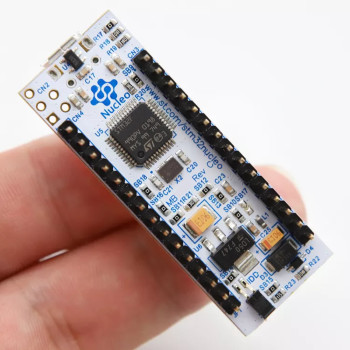
ST NUCLEO-L432KC
STM32 32 Bit 80 MHz Arm Cortex M4 STM32L432KC Development Kit ST-LINK V2 Jtag Programmer Arduino Nano Compatible
&nbs..
1,366.20TL
Ex Tax:1,138.50TL
Marka: STMicroelectronics
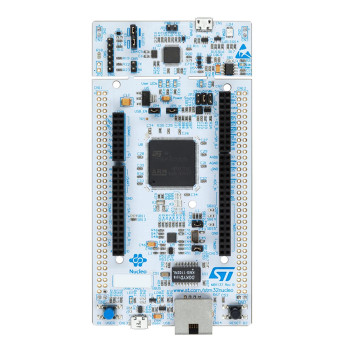
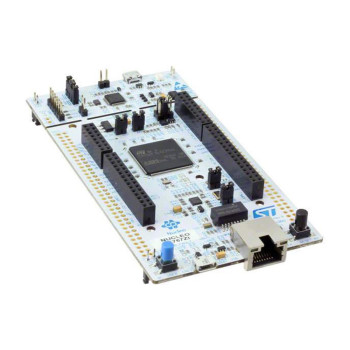
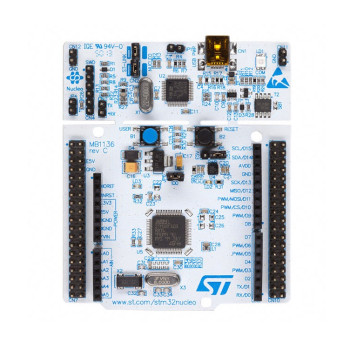
St NUCLEO-F767ZI NUCLEO F767ZI
STM32F767ZI Development Kit ST-LINK V2 32 Bit ARM Cortex M7 216MHz 2 MB Flash 512KB SRAM..
3,088.80TL
Ex Tax:2,574.00TL
Marka: STMicroelectronics
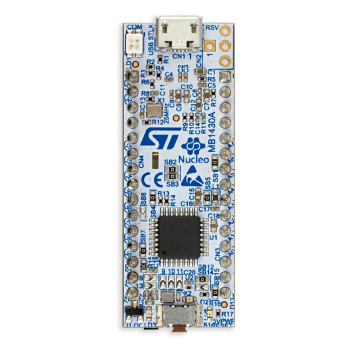
St NUCLEO-F091RC Development Board
STM32 STM32F091RC Arm Cortex-M0 Mcu 48 MHz 256 Kb Flash Can I2C USART SPI ST-LINK V2 Jtag Programmer Nuc..
2,227.50TL
Ex Tax:1,856.25TL
Marka: STMicroelectronics
ST NUCLEO-G431KB Nucleo Kit
STM32 Development Board Nucleo-32 STM32G431KB Arm Cortex M4 Mcu ST-LINK Debugger Programmer Arduiino Nano Co..
1,544.40TL
Ex Tax:1,287.00TL
Out of Stock
Marka: STMicroelectronics
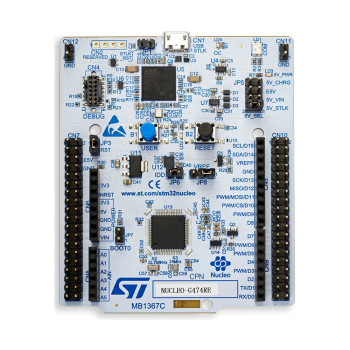
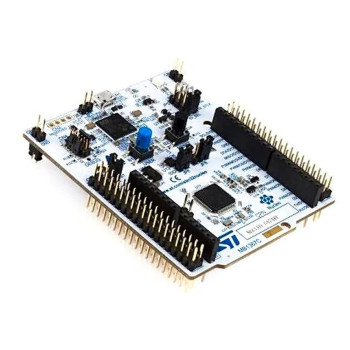
ST NUCLEO-G474RE Nucleo Kit
STM32G474RE Arm Cortex M4 170 MHz Mcu STM32 Development Board ST-LINK V2 Arduino 512Kb Flash
&nb..
2,168.10TL
Ex Tax:1,806.75TL
Marka: STMicroelectronics
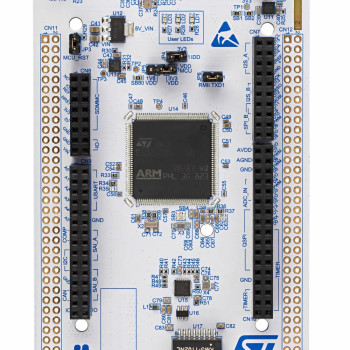
ST NUCLEO-H753ZI Stm32 Development Board
STM32H753ZI 480MHz Arm Cortex-M7 Cpu Fpu 2 MB Flash 1 MB SRAM ST-LINK V2 Debugger Programme..
3,861.00TL
Ex Tax:3,217.50TL
Out of Stock
Marka: STMicroelectronics
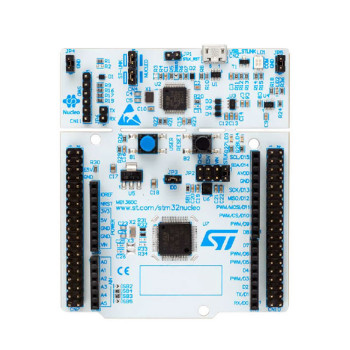
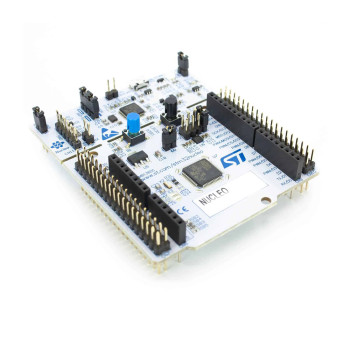
ST NUCLEO-G474RE Nucleo Kit
STM32G474RE Arm Cortex M4 170 MHz Mcu STM32 Development Board ST-LINK V2 Arduino 512Kb Flash
&nb..
2,168.10TL
text_tax1,806.75TL
Marka: STMicroelectronics
ST NUCLEO-G071RB Nucleo Kit
STM32G071RB Arm Cortex-M0+ 64MHz Mcu STM32 Development Board ST-LINK V2 Arduino 128Kb Flash
..
1,366.20TL
text_tax1,138.50TL
Marka: OEM
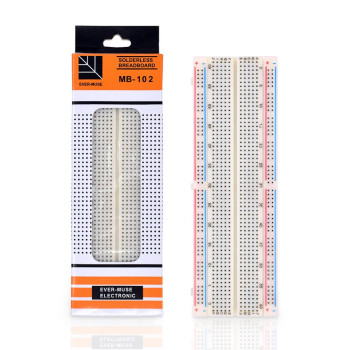
830 Pin Large Size Breadboard MB102
Bread Board Protoboard Experiment School Laboratory Sensor IC DIP Led Logic Gate Timer Opamp Oscillat..
83.16TL
text_tax69.30TL
Marka: STMicroelectronics
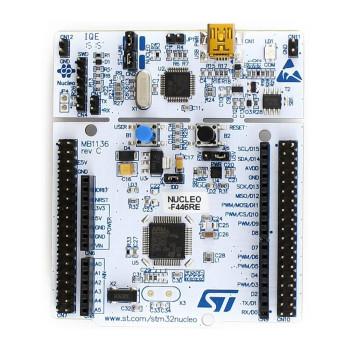
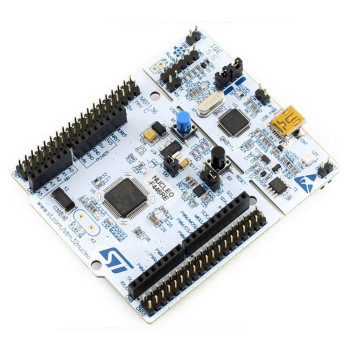
ST NUCLEO-F446RE Nucleo Kit
STM32F446RET6 32 Bit Arm Cortex M4 180MHz Mcu STM32 Development Board ST-LINK V2 Jtag Programmer Arduino 512K..
2,079.00TL
text_tax1,732.50TL
Marka: OEM
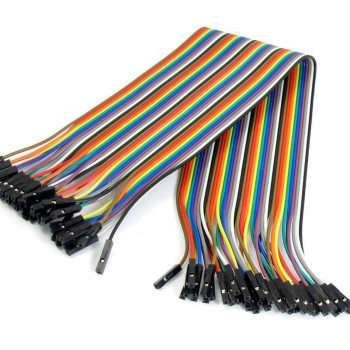
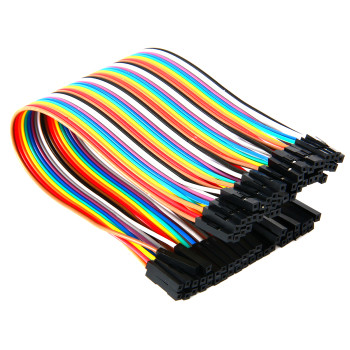
20cm 40 Pin Female to Female Dupont Cable
200mm Detachable 2.54mm 10 Color Breadboard Jumper Wire Test Prototype Circuit Connection Cable..
53.46TL
text_tax44.55TL
Marka: OEM
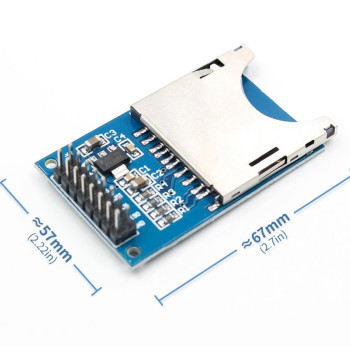
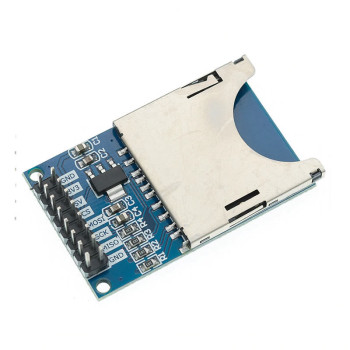
Sd Card Module
Memory Storage Read Write SPI 3.3V/5V Data Logging Logger Arduino Memory Audio Mp3 Recording
&nbs..
53.46TL
text_tax44.55TL
Marka: Expkits
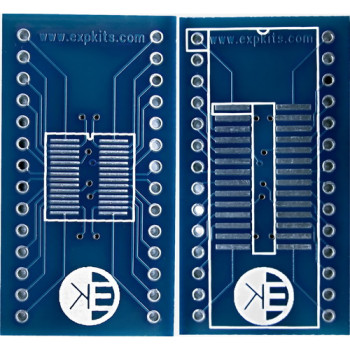
So28 / Ssop28 to Dip Pcb
Dip28 Converter Pcb for Soic208 and Ssop28 ICs
Features:
Converts sm..
13.66TL
text_tax11.39TL


Marka: Expkits
0.5MM TQFP-2 PCB
Dip Adapter Pcb for TQFP16 TQFP32 TQFP48 ICs
This pcb converts 0.5mm smd tqfp ICs ..
23.76TL
text_tax19.80TL