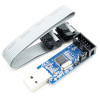
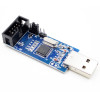
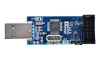
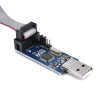
- Stok Durumu: Stok Var
- Marka: OEM
- SKU: RBZ.101.030
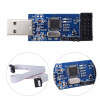
USBasp V2.0 USBISP Atmel Mcu Programmer
V2.0 USBISP ATmega ATtiny Atmega328P Atmega2560 Bootloader Burning Fuse Bit Avrdude Microcontroller Firmware Laboratory Mass Production Repair
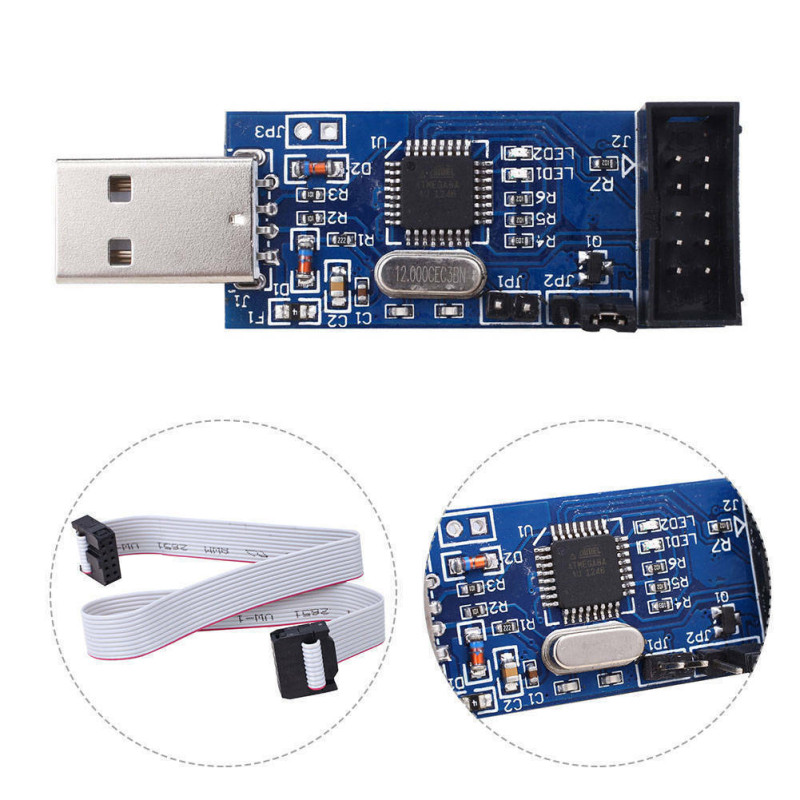
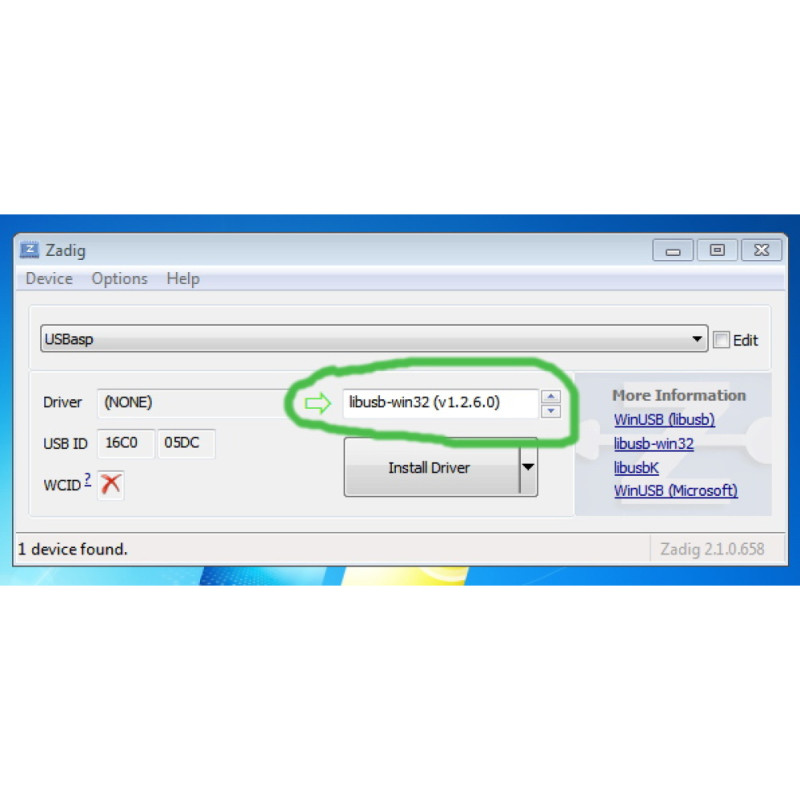
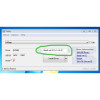
The libusb driver must be installed! On Windows the easiest way is the Zadig program (zadig.akeo.ie): select "USBasp" from the list, choose libusb-win32 (or libusbK / WinUSB) as the driver and install it with "Install Driver". The settings are shown in the product images. No separate driver is needed on Linux and Mac OS X.
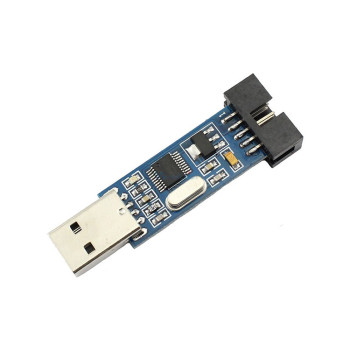
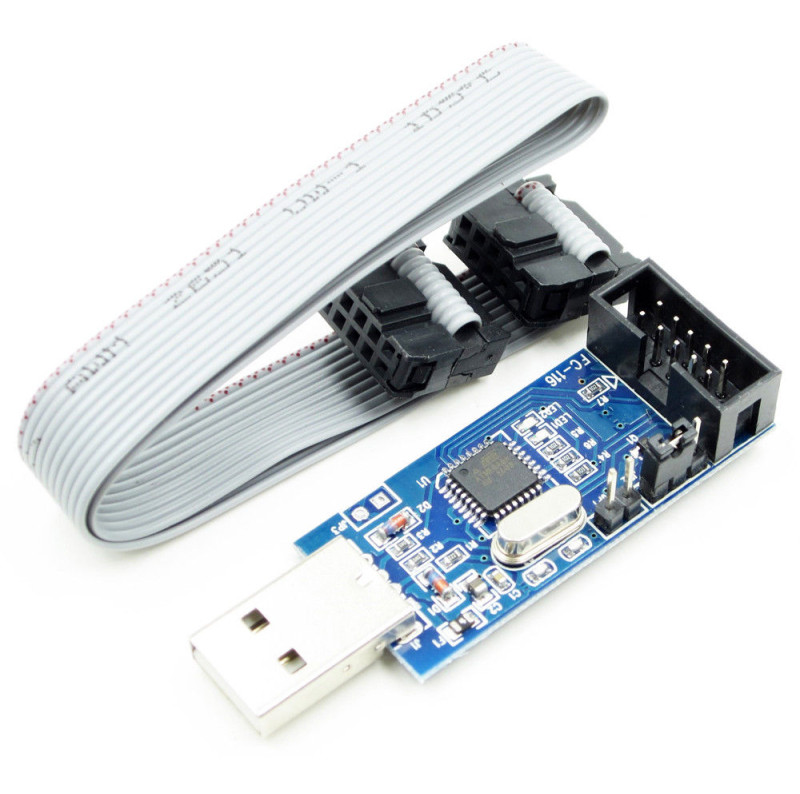
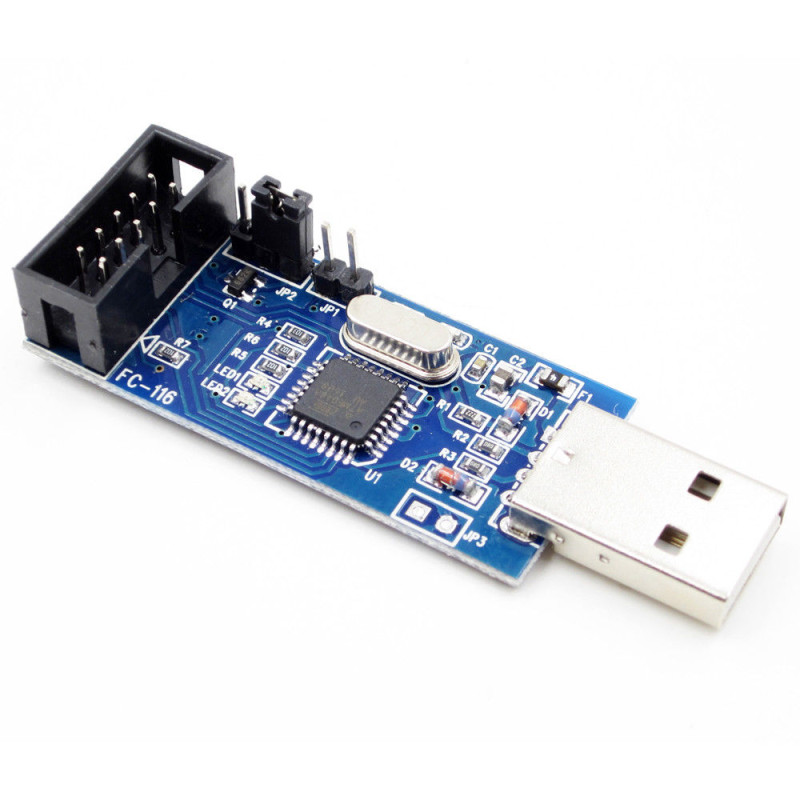
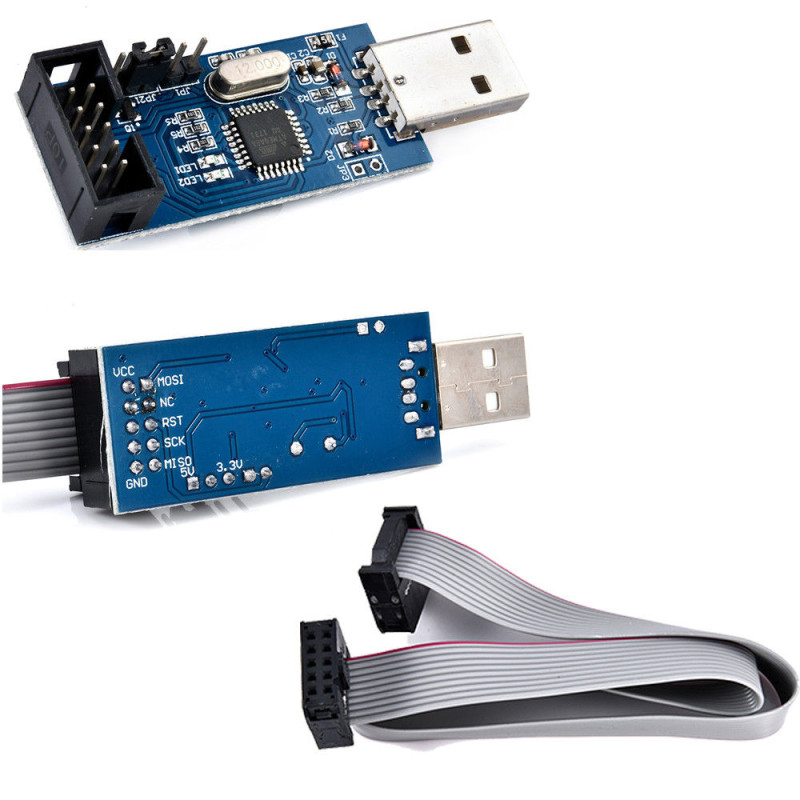
The USBASP is a small programming board that programs Atmel (Microchip) AVR microcontrollers in circuit (ISP) from the USB port of a computer. The board carries an ATmega8A processor and a 12MHz crystal; USB communication is handled by the firmware of this processor. It has a USB Type-A male connector that plugs directly into the computer and a standard 10 pin ISP socket that goes to the target board. It reads and writes the flash memory, EEPROM, fuse bits and lock bits of the microcontroller.
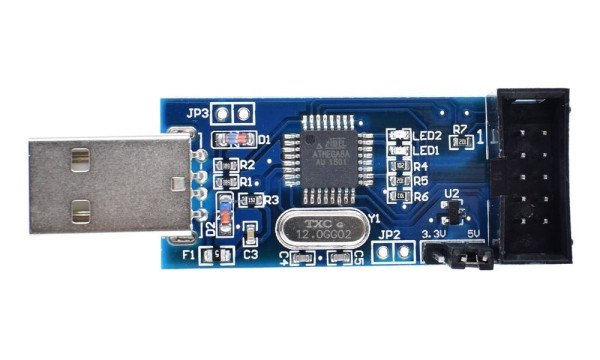
The design is based on Thomas Fischl's open source USBasp project and works with software such as AVRDUDE (from version 5.2), BASCOM-AVR, Khazama AVR Programmer, eXtreme Burner and AVR Burn-O-Mat. The JP1 jumper on the board supplies 3.3V or 5V to the target board; a 500mA resettable fuse protects the USB port against short circuits. The write speed is up to 5KB/s; slow SCK is selected with JP3 for targets running at a low clock.
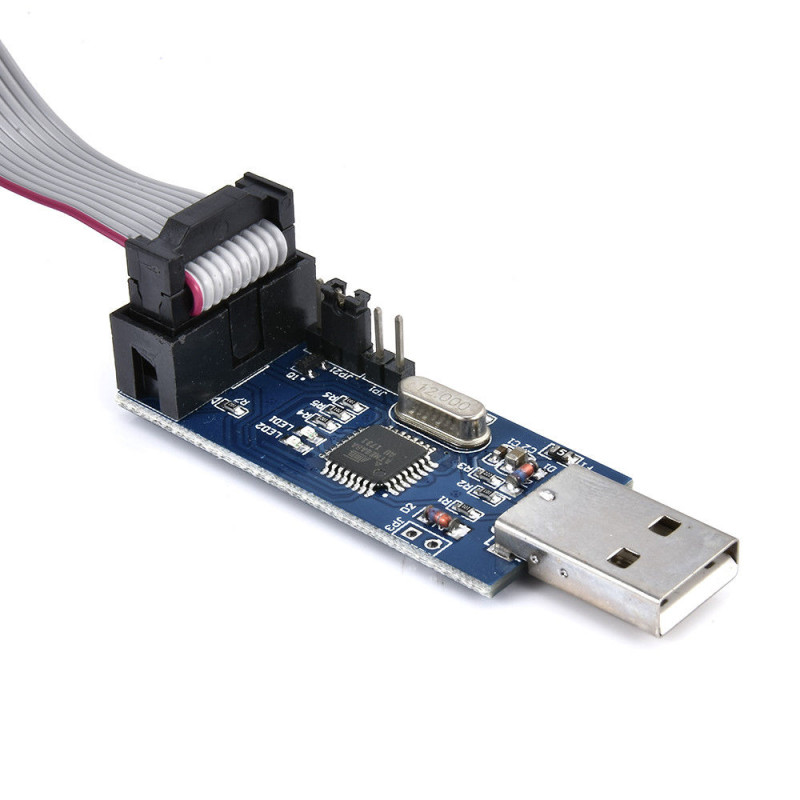
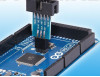
It is used to burn a bootloader onto ATmega328P / ATmega2560 chips whose bootloader was erased or never installed, to set fuses, to write a ready HEX file to chips in mass production and to program small chips without USB such as the ATtiny. The 10 pin ribbon cable in the package plugs directly into the 10 pin ISP header on the target board.
Key features:
Plugs straight into USB: The USB Type-A male connector at the end of the board plugs directly into the computer, no separate USB cable is needed. The board is powered from USB; no external adapter is required.
3.3V / 5V target supply: With the JP1 jumper the target board is supplied with 3.3V or 5V through the ISP socket; on a target with its own supply the jumper is removed to switch the supply off.
Fused USB protection: A 500mA resettable fuse protects the USB port of the computer when the target board has a short circuit; the fuse returns to normal by itself once the fault is removed.
Wide software support: It works with AVRDUDE, BASCOM-AVR, Khazama, eXtreme Burner and AVR Burn-O-Mat and is used on Windows, Linux and Mac OS X.
Slow clock support: Slow SCK is selected with the JP3 jumper (or with the AVRDUDE -B option); targets running below 1.5MHz can also be programmed.
Features:
- Product type: USB AVR ISP programmer (USBasp based)
- Model: USBASP Atmel Programmer
- On-board processor: ATmega8A, 12MHz crystal
- Programming interface: ISP (in-system programming), standard 10 pin ISP socket
- Read / write: flash, EEPROM, fuse bits and lock bits
- Write speed: up to 5KB/s
- Target supply selection (JP1): 3.3V or 5V; no supply when the jumper is removed
- Firmware update jumper (JP2): for updating the programmer's own firmware
- Slow SCK jumper (JP3): for targets running below 1.5MHz
- Protection: 500mA resettable fuse (USB port short circuit protection)
- Indicators: 2 status LEDs
- Computer connection: USB Type-A male connector, powered from USB
- USB ID: 16C0:05DC (shown as "USBasp" in Zadig)
- Supported software: AVRDUDE (5.2 and later), BASCOM-AVR, Khazama AVR Programmer, eXtreme Burner, AVR Burn-O-Mat
- Operating system: Windows (with libusb driver), Linux, Mac OS X
- Supported series: ATmega, ATtiny, AT90 (including AT90CAN, AT90PWM, AT90USB)
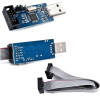
- Cable: 10 pin (2x5) ribbon cable with an IDC female connector on both ends
- Material and colour: blue FR4 printed circuit board, black ISP socket, grey ribbon cable
- Dimensions: approximately 70mm x 20mm x 9mm (board, including USB connector)
- Weight: approximately 18.5gr (including cable)
Usage information:
- Install the driver first: plug in the programmer, select "USBasp" from the list in Zadig and install the libusb-win32 (or libusbK / WinUSB) driver. No driver is needed on Linux and Mac OS X.
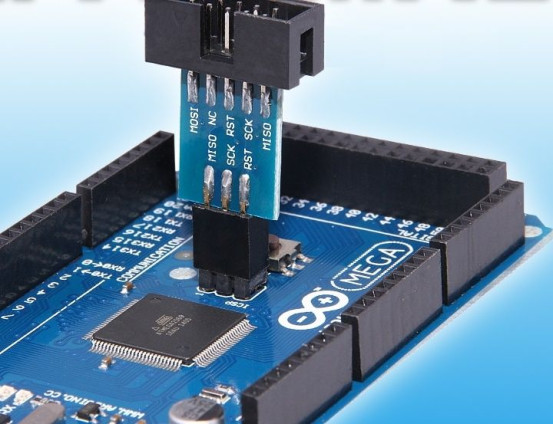
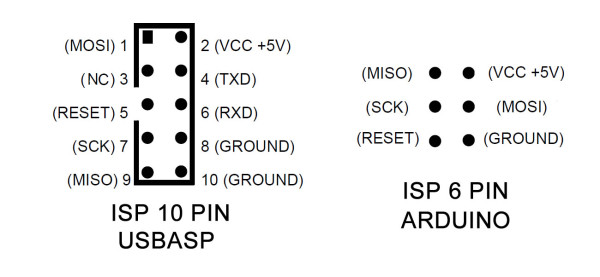
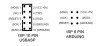
- Plug the ribbon cable into the 10 pin ISP header on the target board; the red striped wire of the cable is pin 1. For boards with a 6 pin ISP header use a 10 pin to 6 pin adapter.
- If the target board has its own supply, remove the JP1 jumper; otherwise set it to 3.3V or 5V according to the target voltage.
- Example AVRDUDE command: avrdude -c usbasp -p m328p -U flash:w:file.hex. If the target chip runs at a low clock (e.g. factory setting 1MHz) and no connection is made, fit JP3 or select slow SCK with -B.
- Main supported chips: ATmega8/16/32/64/128, ATmega48/88/168/328P, ATmega164/324/644/1284P, ATmega640/1280/2560, ATmega8515/8535, ATtiny13/24/25/44/45/84/85/2313, AT90CAN, AT90PWM and AT90USB series.
Areas of use:
- Burning a bootloader onto ATmega328P and ATmega2560 chips
- Setting fuse and lock bits, selecting the clock source
- Programming small ATtiny series microcontrollers
- Writing a ready HEX file to chips in mass production
- Programming your own AVR board designs
- Electronics education and school laboratory work
- Device repair and firmware renewal
- Reading and backing up EEPROM and flash contents
- Loading firmware onto another USBasp board
Precautions:
- The JP1 jumper changes only the supply (VCC) voltage going to the target. Because the processor on the programmer runs at 5V, the MOSI, MISO, SCK and RESET signals may stay at 5V level even in the 3.3V position; use a level shifter with 3.3V chips that are not 5V tolerant.
- Do not leave the JP1 jumper fitted while the target board's own supply is on; the two sources would be connected together.
- Be careful when changing fuse bits: a wrong clock source or an RSTDISBL / SPIEN setting can prevent the chip from being reprogrammed over ISP.
- Do not plug the ribbon cable in reversed; match the red striped wire with the pin 1 mark on the socket.
- Verification errors have been reported with some USBasp firmware versions when burning a bootloader onto large chips such as the ATmega2560 (256KB flash); if this happens, first slow down SCK with -B, and if it persists, update the programmer's firmware.
- This programmer only does ISP (in-system) programming; it has no debugging (debugWIRE / JTAG) and no UPDI support.
Package contents:
- 1 Piece USBASP Atmel Programmer
- 1 Piece 10 Pin (2x5) Ribbon Cable
- Note: The 10 pin to 6 pin ISP adapter and the target board are not included in the package.