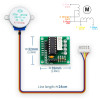
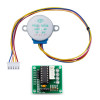
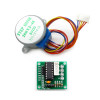
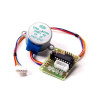
- Stok Durumu: Stok Var
- Marka: OEM
- Model: 28BYJ-48 5V Step Motor
- SKU: RBZ.100.606
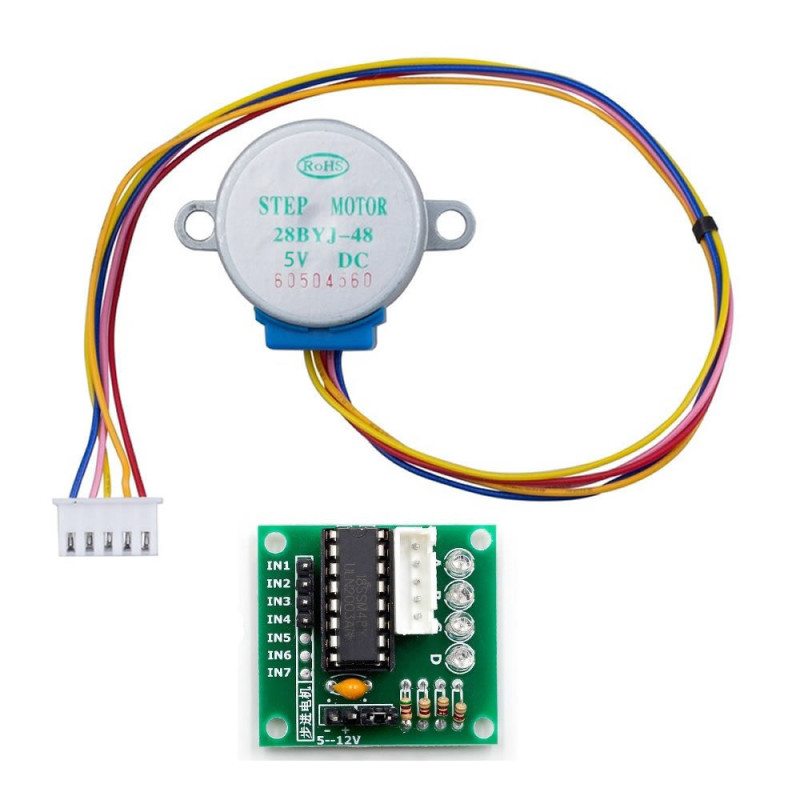
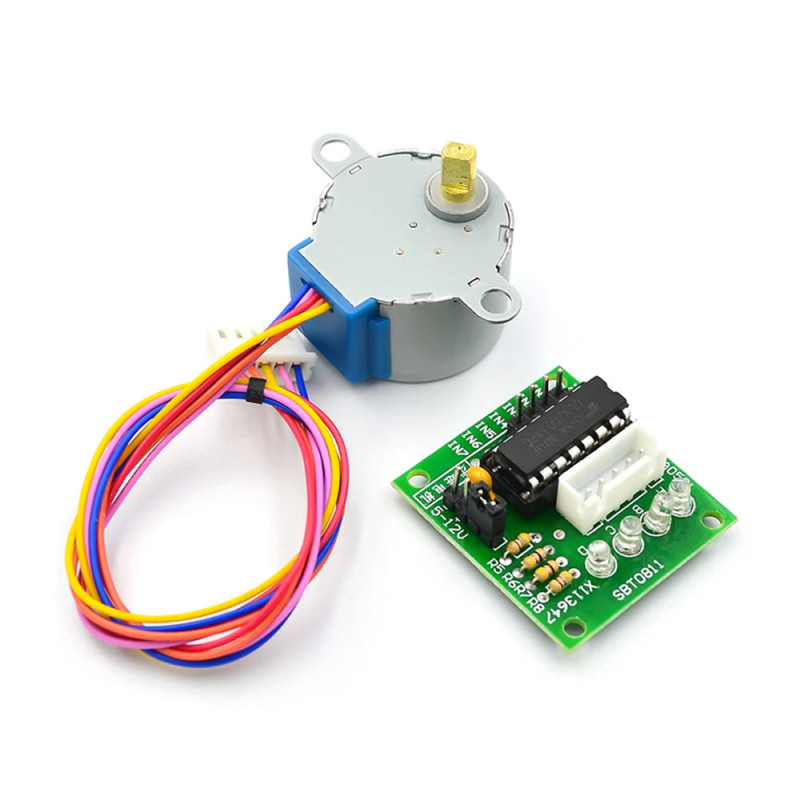
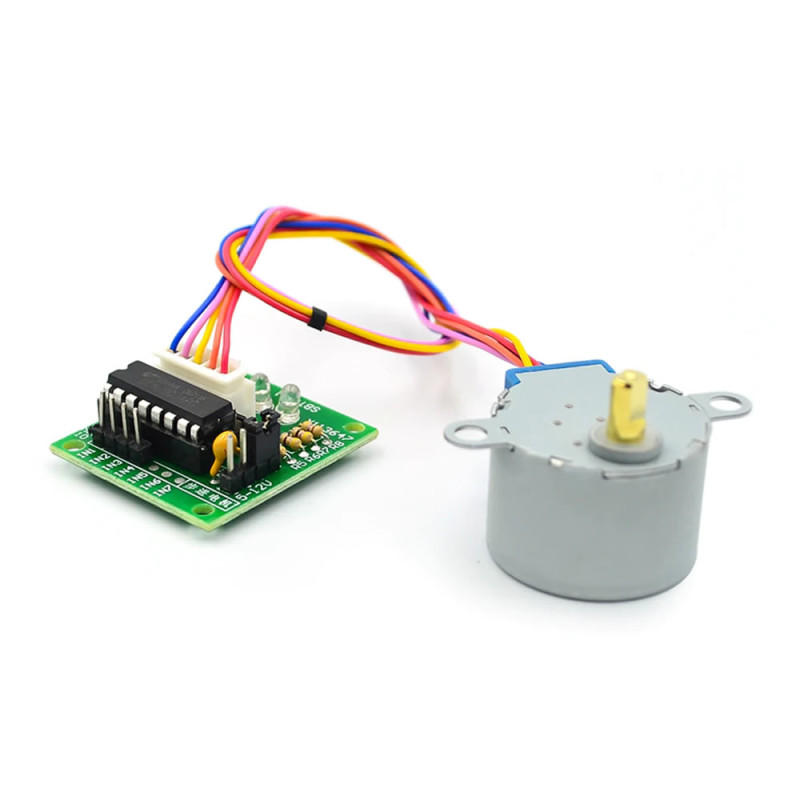
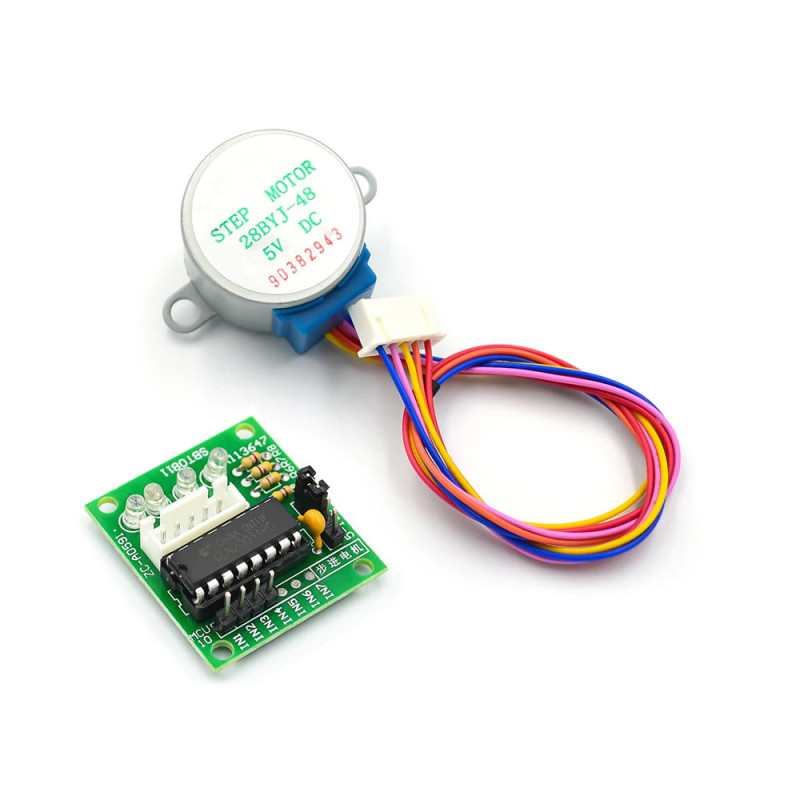
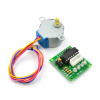
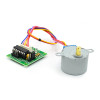
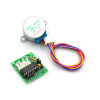
5V 28BYJ48 Step Motor + ULN2003A Driver Board
4096 Steps 4 Phase Robot Arduino Precise Position Automation Cnc Control Hobby
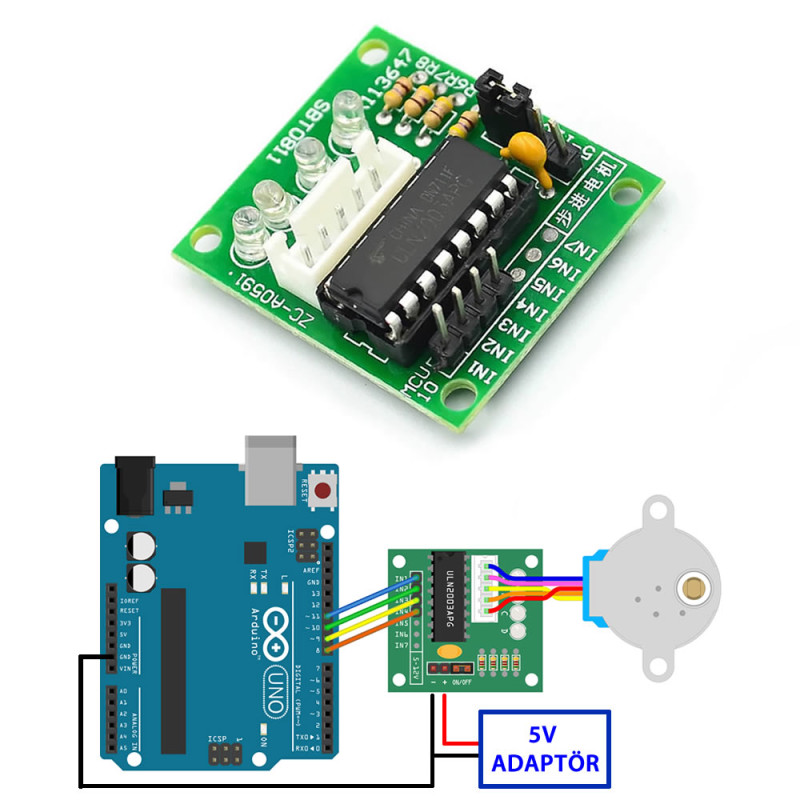
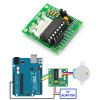
It is a 28 BYJ-48 5V step motor and driver board. It stands out with its precise motion control and wide range of applications. It offers ideal solutions in many areas, from hobby projects to industrial automation. There are 4 leds and 4 control pins on the Uln2803a driver board. Thanks to these pins, you can drive the step motor with Arduino or any microcontroller.
Thanks to the built-in gearbox, the internal 5.625 degree step angle is supported by a 1/64 ratio, providing 4096 steps/revolution precision on the output shaft. The Uln2803a driver board not only shows the status of the motor through 4 LEDs and 4 control pins; it also makes integration with Arduino and other microcontrollers extremely easy.
Precise Position Control: Superior performance in robotics, CNC and automation projects thanks to 4096 steps/revolution precision.
- 5V 28BYJ48 Step Motor + ULN2003A Driver Board
- Operating voltage: DC 5V
- Number of phases: 4
- Step angle 5.625 Degrees
- Gearbox Ratio: 1/64
- 4096 steps/revolution for the output wheel
- Torque: 300gf·cm
- DC resistance: 130ohm
- Frequency: 100 Hz
- Operating temperature: -20C / 75C
- Dimensions: 28mm diameter x 19mm height
- Shaft length: 10mm
- Mounting hole distance 35mm
- Weight: 35gr
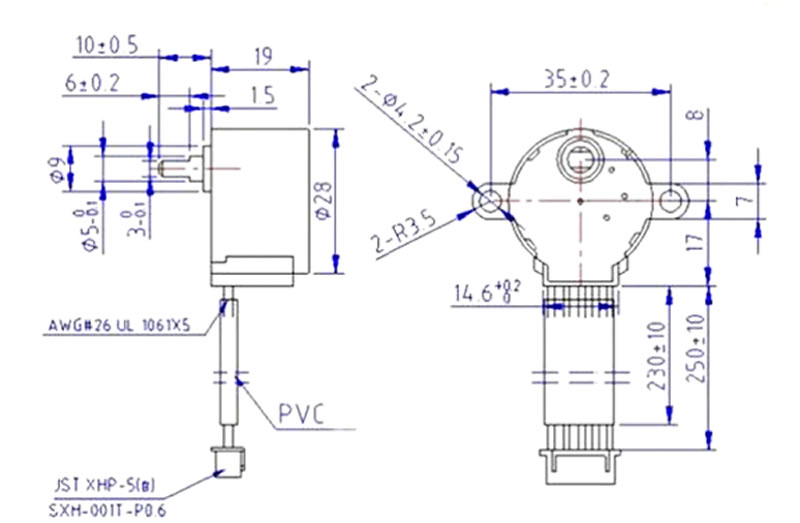
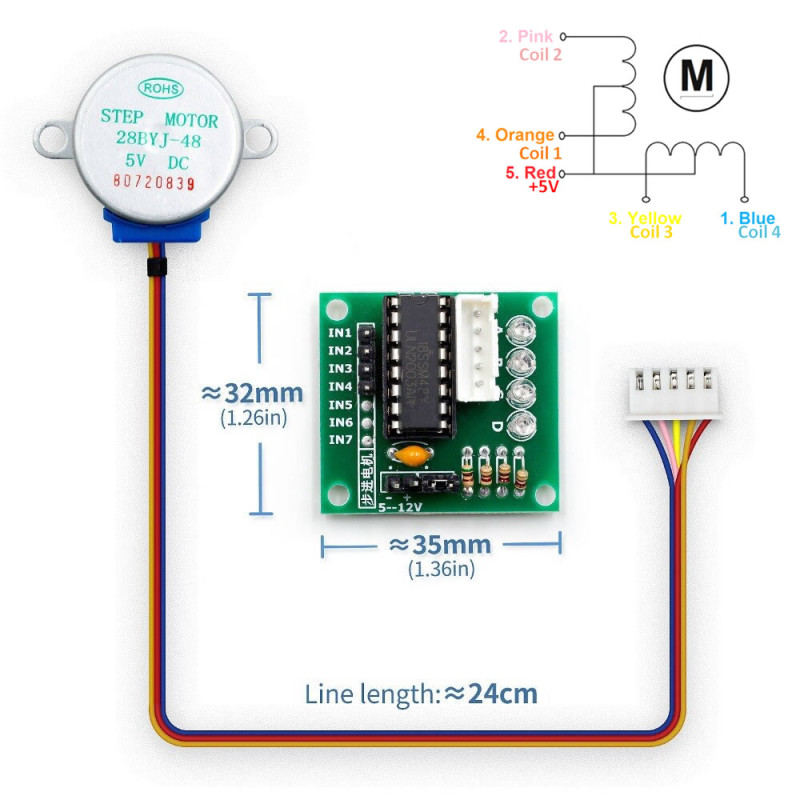
Pin description:
- Red: 5V
- Orange: 1B
- Pink: 1A
- Yellow: 2A
- Blue: 2B
Package contents:
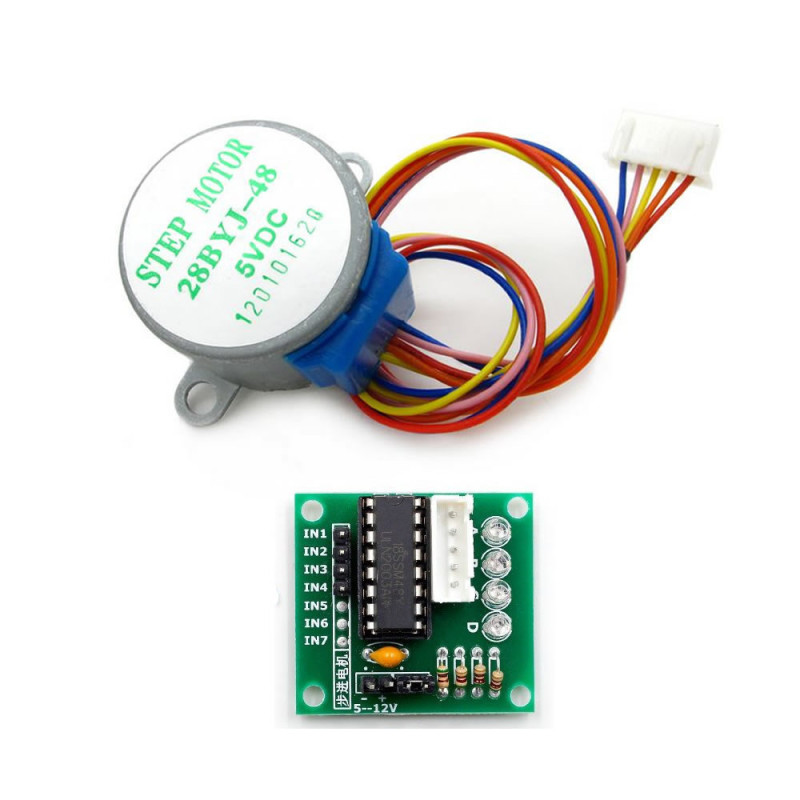
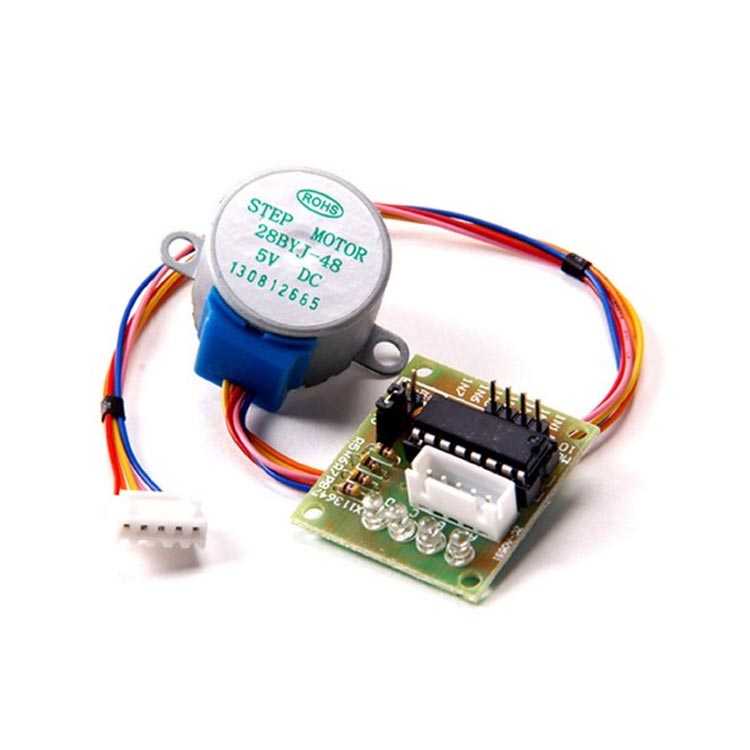
- 1pc 5V 28BYJ48 Step Motor
- 1pc Uln2803a module board
Additional Information: The typical pull-in torque of the 28BYJ-48 step motor is approximately 300 gf·cm (approximately 0.03 N·m). This means, for example:
- When a 1 cm arm is used, the motor can theoretically lift a load of approximately 300 grams.
- When a 2 cm arm is used, the liftable load is halved to approximately 150 grams.
Note: These values are calculated under ideal conditions, and in real applications the performance obtained may vary due to mechanical efficiency, friction in the system and other losses.